



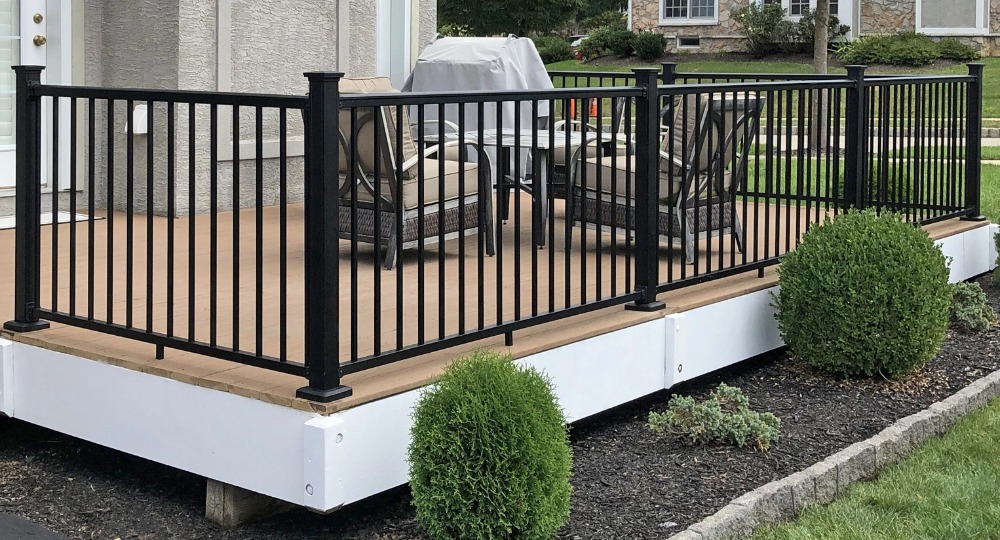
If you are searching for aluminum railing Surrey, you are usually trying to answer one question: which railing material will look good, stay safe, and require the least hassle in Surrey’s wet, humidity-heavy climate?
Surrey and the Lower Mainland have conditions that punish the wrong material choices: frequent rain, long damp seasons, moss and organic buildup, and in some areas, air that carries salts and pollutants. That does not mean steel is a bad option. It means the details matter. The best choice depends on where the railing sits (balcony, stairs, yard), how it is built (welds, connections, drainage), and how it is protected (powder coating, galvanizing, paint systems, hardware selection).
This guide compares aluminum and steel like a fabricator does, not like a brochure does: corrosion performance, coatings, maintenance, durability, design flexibility, safety, and true life-cycle cost. By the end, you will know exactly what to choose and what to ask before you accept a quote.
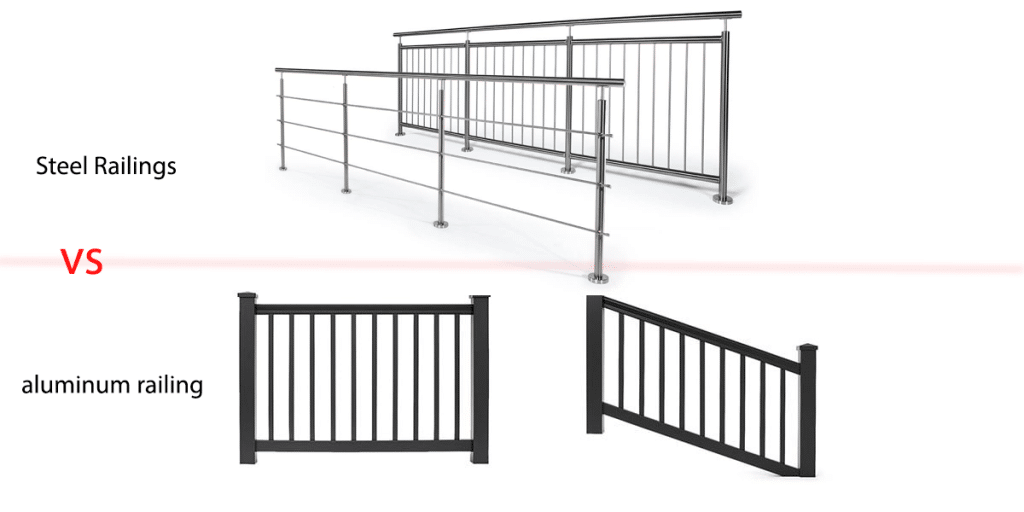
Why Surrey’s Climate Changes the Railing Decision
In dry climates, the “aluminum vs. steel” debate is mostly about looks and budget. In Surrey, climate adds three practical concerns:
- Constant moisture exposure: Water sits on flat surfaces, inside joints, and around posts. If a railing system does not shed water properly, corrosion risk goes up.
- Organic buildup: Moss, algae, and grime hold moisture against the coating and can accelerate wear if not cleaned periodically.
- Salt and pollutants: Even outside immediate coastal zones, airborne contaminants can increase corrosion potential on unprotected or poorly protected steel.
That is why the right material is not enough. The correct build method and protection system often matter more than the base metal.
Quick Summary: Which One Is “Better” in Surrey?
Most homeowners who want minimal maintenance and consistent appearance over time lean toward aluminum railing Surrey. Steel is often the better fit when you need higher impact resistance, specific custom fabrication details, or an industrial/architectural look that is easier to achieve with steel—provided the corrosion protection is executed properly.
- Choose aluminum if you want low maintenance, excellent resistance to rusting, and a clean modern look for exterior guardrails.
- Choose steel if you want maximum rigidity and durability under heavy use, or you need a highly customized railing, and you are willing to prioritize coating quality and periodic inspections.
Corrosion Reality: Aluminum vs. Steel in Wet BC Conditions
Aluminum: No “Rust,” But Still Needs Smart Design
Aluminum does not rust the way steel does. In practical terms, that means an exterior aluminum railing is less likely to develop brown streaking, flaking rust, and hidden corrosion from inside-out. For many Surrey homes, that is a significant advantage.
However, aluminum is not “maintenance-free” and it is not “damage-proof.” It still needs:
- A quality powder-coated finish to maintain color, gloss, and surface protection.
- Proper drainage and detailing so water does not sit in channels or around fasteners.
- Correct hardware selection to avoid corrosion issues around mixed metals (for example, choosing appropriate stainless or coated fasteners where needed).
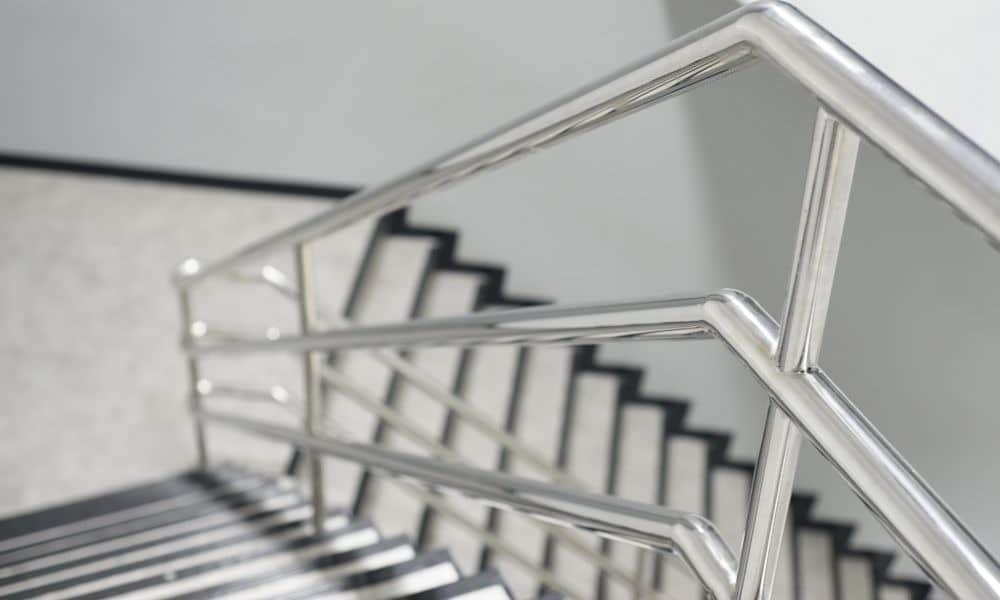
Steel: Extremely Strong, But Protection Quality Determines Everything
Steel can be outstanding for railings, especially where rigidity and impact resistance matter. But steel in Surrey’s climate demands an “all-in” approach to corrosion protection. The difference between a great steel railing and a problem railing is typically not the steel itself it is:
- Surface preparation quality
- Coating system selection
- Weld finishing and sealing details
- Water-trap avoidance (drainage design)
If any of those are neglected, corrosion often begins at weld seams, inside corners, and fastener points, then spreads under the coating.
Coatings That Actually Matter in Surrey
When comparing quotes, do not focus only on the material. Focus on the protection system. In Surrey, “good coating” is not a slogan. It is a process.
Powder Coating (Common for Both Aluminum and Steel)
Powder coating is popular because it looks clean, offers consistent finish quality, and holds up well when applied correctly. For Surrey exteriors, the variables that impact long-term performance include:
- Proper pretreatment before coating (critical for adhesion and corrosion resistance)
- Film thickness consistency on edges and corners (thin edges fail first)
- Sealed welds and smooth transitions (coatings do not like sharp crevices)
Powder coating can perform well on steel, but it is not “magic.” If the steel is not properly prepared and sealed, moisture can find a path.
Galvanizing (Often a Smart Upgrade for Exterior Steel)
If you are set on a steel railing, galvanizing can dramatically improve corrosion resistance in wet environments. Many high-performance exterior steel systems rely on galvanizing plus a topcoat system for appearance.
Not every design is ideal for galvanizing, and it can affect lead times and budget. But for long-term durability, it is one of the strongest options for exterior steel in damp climates.
Paint Systems (Useful for Certain Steel Designs and Touch-Up Practicality)
Some steel railings use industrial paint systems instead of powder coating, especially for certain custom builds. One advantage: touch-ups can be easier on-site. One disadvantage: paint durability varies widely based on prep and product choice.
Bottom line: for steel, do not accept “painted” as a sufficient specification. You want to understand the steps: surface prep method, primer type, topcoat type, and how edges and welds are treated.
Maintenance Comparison: What You Will Actually Do Year to Year
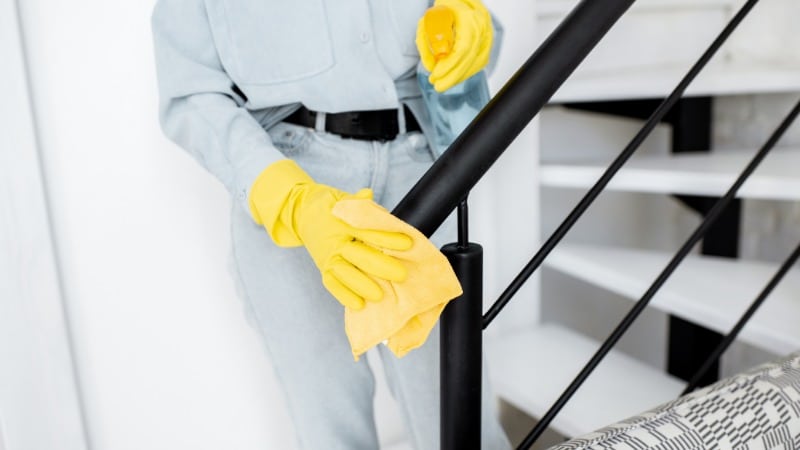
Aluminum Railing Maintenance in Surrey
For most residential properties, aluminum maintenance is simple:
- Rinse and light wash a few times per year, especially after heavy pollen season or long wet stretches.
- Inspect fasteners and connections annually.
- Touch up chips or deep scratches promptly to maintain appearance and protection.
This low-effort routine is a major reason homeowners searching aluminum railing near you choose aluminum for exterior balconies and decks.
Steel Railing Maintenance in Surrey
Steel can be low-maintenance if executed properly, but it is typically more inspection-dependent:
- Inspect weld seams, corners, and post bases yearly.
- Watch for chips, scratches, or impact damage that exposes metal.
- Clean organic buildup so moisture is not held against the coating.
- Address small coating failures quickly to prevent spread.
If you do not want periodic checks, steel can become frustrating. If you are comfortable with routine inspections, steel can be an excellent long-term choice.
Strength, Rigidity, and Real-World Durability
Steel: Advantage for Heavy Use and Impact Resistance
Steel’s stiffness and strength make it ideal for:
- High-traffic stair railings
- Commercial or mixed-use applications
- Locations where impacts are more likely (moving items, tools, tight access paths)
For certain architectural designs, steel also allows thin profiles with a “solid” feel that clients like.
Aluminum: Strong Enough for Most Residential Railings When Built Correctly
Aluminum systems can be extremely reliable for residential decks, balconies, and perimeter guardrails especially when engineered and fabricated properly. The key is selecting appropriate wall thickness, posts, and connection methods for the span and intended load.
In other words: aluminum is not “weak.” Poorly designed or budget-grade aluminum is weak. Quality aluminum railings are robust for typical residential use.
Design and Aesthetics: Modern Clean Lines vs. Architectural Steel Character
Aluminum: Consistent Finish and Modern Minimalism
Aluminum railings often deliver:
- Clean, uniform lines
- Consistent color and texture
- A lighter visual footprint that works well with modern façades
They pair well with glass, horizontal infill, and contemporary exterior renovations.
Steel: High-End Custom Looks and Fabrication Flexibility
Steel railings are often chosen for:
- Architectural custom details
- Industrial-modern aesthetics
- One-off designs where fabrication flexibility matters
If you want a truly custom look especially for staircases steel is frequently the easiest material to fabricate into unique forms.
Cost: What Drives Price and What “Life-Cycle Cost” Means
Railing cost is never just “aluminum vs. steel.” The biggest cost drivers in Surrey typically include:
- Total linear footage and number of corners/returns
- Infill style (pickets, panels, glass, cable, custom patterns)
- Post mounting conditions (surface mount vs. fascia mount, waterproofing details)
- Coating system (standard powder coat vs. upgraded systems, galvanizing, multi-coat paint)
- Site access and install complexity (stairs, slope, tight access, staging)
Price vs. Value
Initial cost is what you pay today. Life-cycle cost includes maintenance, touch-ups, future repainting, and the risk of early replacement.
- Aluminum often wins on life-cycle cost for exterior residential projects because the maintenance burden is typically lower.
- Steel can be excellent value when protection is done correctly, but if coatings are compromised, future costs can rise quickly.
Best Material by Location: Balcony, Stairs, and Yard in Surrey
| Installation Area | Best Reasons to Choose Aluminum | Best Reasons to Choose Steel |
|---|---|---|
| Deck / Balcony | Low maintenance, strong corrosion resistance, consistent finish in wet seasons | Great for custom architectural designs if coating and drainage are executed perfectly |
| Stair Railing | Excellent for modern residential stairs when engineered and installed correctly | Superior rigidity and impact resistance, ideal for heavy use or custom staircase metalwork |
| Front Entry / Porch | Clean curb appeal with minimal upkeep, especially on exposed porches | High-end feel and custom detailing, strong for high-contact entry points |
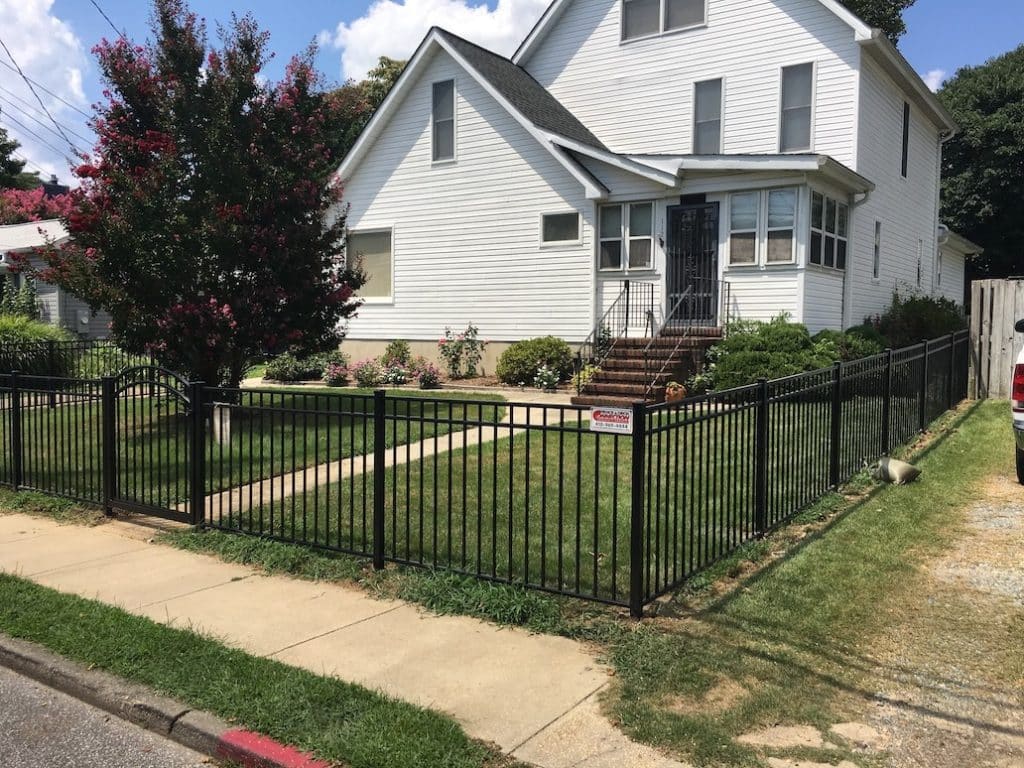
| Yard / Garden Perimeter | Good choice near irrigation and damp landscaping, easy to keep looking sharp | Works well when railings are elevated from soil and fully protected against moisture traps |
What Makes a Railing Fail in Surrey (Regardless of Material)
Most railing problems are not caused by the base metal. They are caused by design and execution mistakes. Watch for these:
- Water traps: flat caps, unsealed joints, channels that collect standing water.
- Poor weld finishing: pinholes, crevices, and rough welds that coatings cannot protect evenly.
- Bad fasteners: incorrect hardware leading to staining, premature corrosion, or loosening.
- Weak post bases: inadequate anchoring or missing waterproofing details on exterior decks.
- Thin coating at edges: corners and edges are where coatings fail first if application is inconsistent.
Buyer’s Checklist: Questions to Ask Before You Approve a Quote
If you want an outcome that is “better than typical,” ask these questions up front:
Questions for Aluminum Railings
- What finish system is used (powder coat type, pretreatment process)?
- What hardware is used and why (especially for exterior installs)?
- How are water-shedding and drainage handled in the design?
- How are posts anchored and sealed to protect the deck structure?
Questions for Steel Railings
- What corrosion protection system is included (powder coat, paint system, galvanizing)?
- How are welds finished and sealed before coating?
- How do you prevent water from sitting inside posts or at connection points?
- What does the maintenance plan look like in Surrey conditions?
Decision Guide: Choose the Right Option for Your Project
Use this simple decision logic:
- If your top priority is low maintenance and consistent exterior appearance: choose aluminum railing Surrey.
- If your top priority is maximum rigidity, high-use durability, and custom fabrication: choose steel, and specify a high-quality protection system.
- If you are near coastal air or you want a “set it and forget it” exterior guardrail: aluminum is usually the safer bet.
- If you want steel for the aesthetic, budget for the right coating and commit to yearly inspections.
Common Myths (That Cause Bad Purchases)
- Myth: “Aluminum is weak.” Quality aluminum railings are strong for residential applications when properly engineered and installed.
- Myth: “Powder coating means steel will never rust.” Coating is only as good as the preparation, weld finishing, and design details.
- Myth: “All railings are basically the same.” In Surrey, design details and corrosion protection separate a 5-year railing from a long-term railing.
Get a Quote: Aluminum Railing and Steel Railing Fabrication in Surrey
If you are comparing aluminum railing Surrey options or weighing steel for a custom look, the best next step is a quote that is based on your actual site conditions: mounting surface, exposure level, design preferences, and timeline. Apex Metalwork fabricates and installs railings and custom metalwork for Surrey and the surrounding Lower Mainland, with a focus on durable exterior performance and clean finishing details.
Request a quote and share the basics (photos of the install area, approximate measurements, preferred style, and whether it is a deck, balcony, or stair run). You will get a recommendation that fits Surrey conditions, not a generic one-size-fits-all answer.