



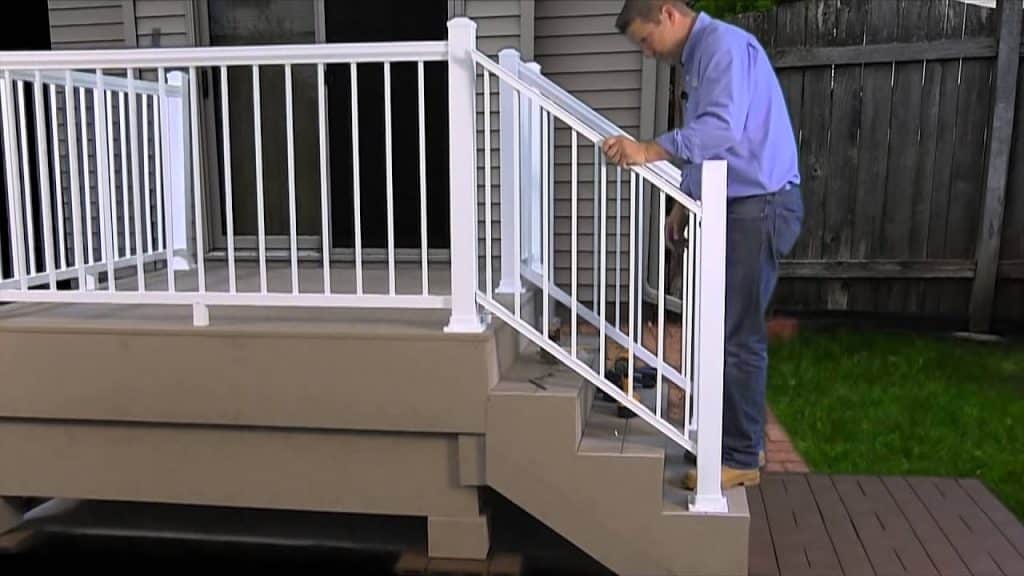
Installing metal stair railings is not just about enhancing the aesthetic appeal of your home or building; it’s also a matter of safety. Whether you are renovating your home or constructing a new building, ensuring that your metal railings are secure, durable, and safe for use is essential. A well-installed railing will protect you and your loved ones from potential falls, meet building code requirements, and provide lasting strength and stability. In this article, we’ll guide you through everything you need to know to ensure the safety of your metal stair railings.
Understand the Key Safety Regulations
Before beginning the installation of metal stair railings, it’s important to understand the essential safety regulations that apply. These guidelines are designed to protect everyone who uses the stairs and ensure that the railings are up to standard.
- Handrail Height: The first step is making sure the handrail is installed at the correct height. For residential buildings, the standard height for a handrail is between 900 mm and 1000 mm (from the edge of the stair tread). This ensures that the handrail is easily reachable by most users, providing optimal support.
- Baluster Spacing: The spacing between the vertical posts (balusters) should not exceed 100 mm. This is especially important in households with children, as it prevents small children from slipping through the gaps, reducing the risk of accidents.
- Load-bearing Capacity: Metal railings should be strong enough to support weight without becoming loose or unstable. Ensure that the railings are designed to withstand the weight of someone leaning or pressing against them.
Choose the Right Materials
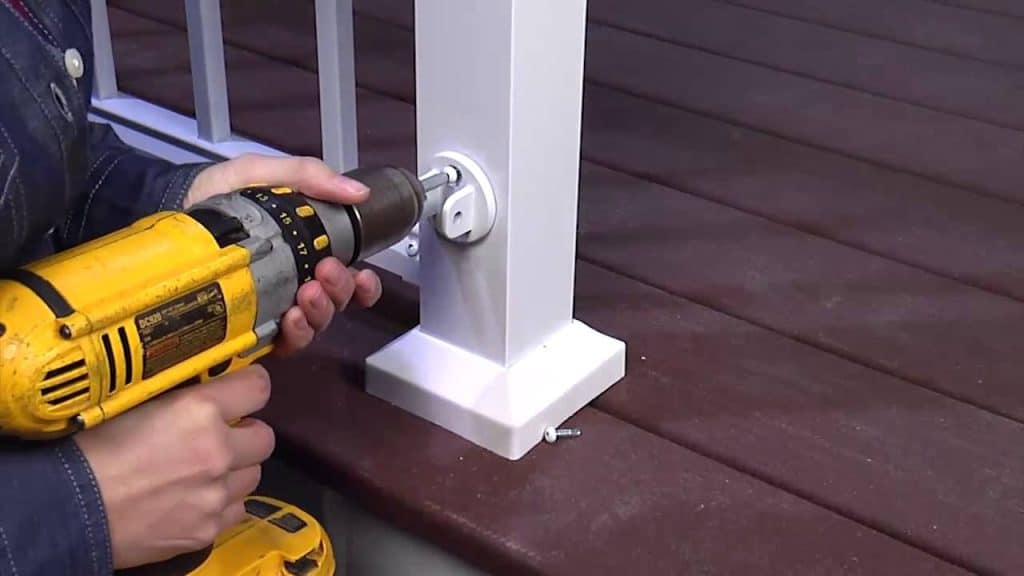
The material of your stair railing plays a vital role in both the aesthetics and safety of the structure. Here’s what you need to consider when selecting materials for metal stair railings:
- Steel: Steel is one of the most popular choices for metal railings due to its durability, strength, and resistance to weather conditions. For outdoor railings, it is recommended to use galvanized steel or stainless steel to prevent rusting.
- Aluminum: Aluminum is lightweight and resistant to corrosion, making it a great option for both indoor and outdoor railings. However, it may not be as strong as steel, so ensure that it’s reinforced for areas where added strength is necessary.
- Wrought Iron: Wrought iron has been a staple in railing design for centuries. Known for its ornate designs and strength, wrought iron is often used for both aesthetic appeal and functionality. However, it requires regular maintenance to avoid rusting.
Each material has its pros and cons, but regardless of which one you choose, ensure that it meets the safety standards for your specific needs.
Professional Installation Is a Must
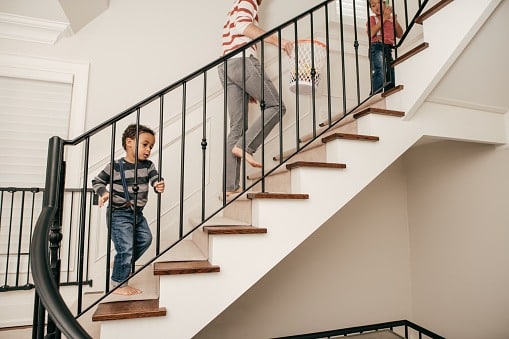
While installing metal stair railings might seem like a simple task, it requires skill and expertise to ensure that the installation is done correctly and safely. Poor installation can lead to loose railings, dangerous gaps, or structural instability. Here are some important installation tips:
- Secure the Railings Properly: Ensure that the railings are properly anchored into the walls or staircases with high-quality fasteners and bolts. Loose bolts or improperly installed railings can significantly compromise the stability of the railing.
- Continuous Handrail: For staircases with multiple flights, it’s crucial that the handrail is continuous. This means it should run along the entire length of the staircase without interruption, providing constant support to users.
- Proper Alignment: The handrail should be installed at the correct height (as mentioned earlier) and should align with the slope of the stairs. Make sure there are no sharp angles or misaligned sections that could pose a safety hazard.
Consider Accessibility for All Users
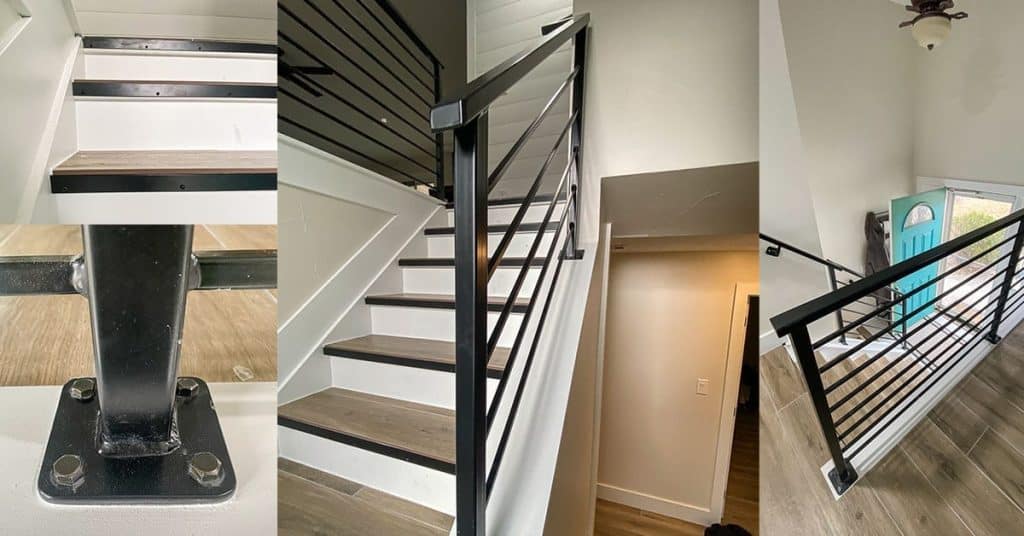
When installing metal stair railings, it’s important to consider all potential users, including children, elderly individuals, and people with disabilities. Here are a few accessibility considerations to keep in mind:
- Children: Ensure that the baluster spacing is small enough to prevent children from squeezing through. The maximum spacing should be no more than 100 mm to ensure their safety.
- Elderly Individuals: For elderly users, a continuous handrail that is easy to grip is essential. The handrail should not be too thick or thin, and it should provide a comfortable, secure grip.
- People with Disabilities: Make sure the stair railings are installed at an appropriate height to accommodate users with limited mobility. In some cases, you may want to consider installing extra handrails for additional support.
Regular Maintenance and Inspections
Safety doesn’t stop at installation. Over time, wear and tear can affect the stability and safety of your metal stair railings. Regular maintenance and inspections are crucial to ensure that they remain in safe, working condition.
- Check for Rust: Metal railings, especially those exposed to the elements, are susceptible to rust and corrosion. Regularly inspect for signs of rust and treat any affected areas immediately to prevent further damage.
- Tighten Loose Bolts and Screws: Over time, bolts and screws can become loose due to regular use. Periodically check all fasteners and tighten them as needed to maintain the structural integrity of the railing.
- Clean and Maintain the Surface: Keeping your metal stair railings clean not only helps maintain their appearance but also prevents the buildup of dirt, grime, and corrosion. Clean the railings regularly with appropriate cleaning products for metal surfaces.
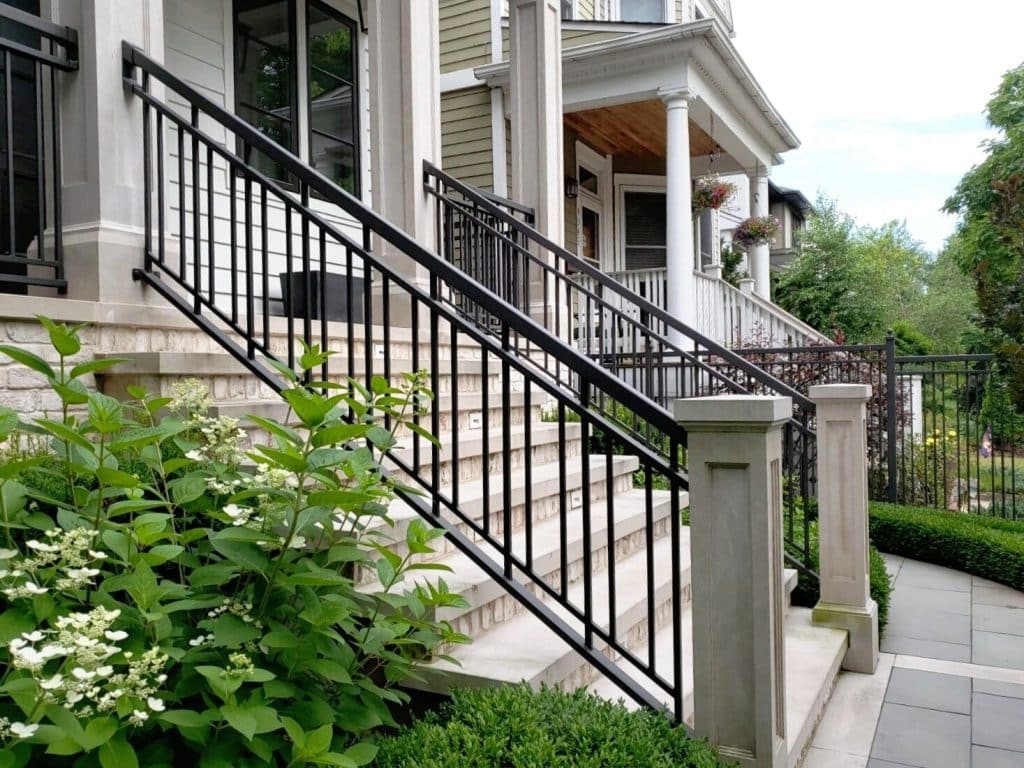
Conduct a Final Safety Check
Before allowing anyone to use your newly installed stair railings, conduct a final safety check. Here’s a quick checklist to ensure everything is up to standard:
- Handrail height and alignment meet safety regulations.
- Baluster spacing is no wider than 100 mm.
- The handrail is continuous and properly secured.
- No loose bolts or screws.
- All materials are in good condition, with no rust or corrosion.
- The railing can withstand the weight of someone leaning on it without showing signs of weakness.
Conclusion
Ensuring safety when installing metal stair railings is essential for preventing accidents and providing lasting durability. By adhering to safety regulations, choosing the right materials, ensuring professional installation, and performing regular maintenance, you can be confident that your stair railings will serve their purpose safely and effectively for years to come. Take the time to do it right, and your metal stair railings will provide both beauty and protection.